Core data
Quarterly decline : Largest in six yearsSupply bottleneck : Strait of Hormuz
Key variable : Decline in Chinese imports
Solution : Detour via alternative routes
Why didn't the geopolitical crisis push up oil prices?
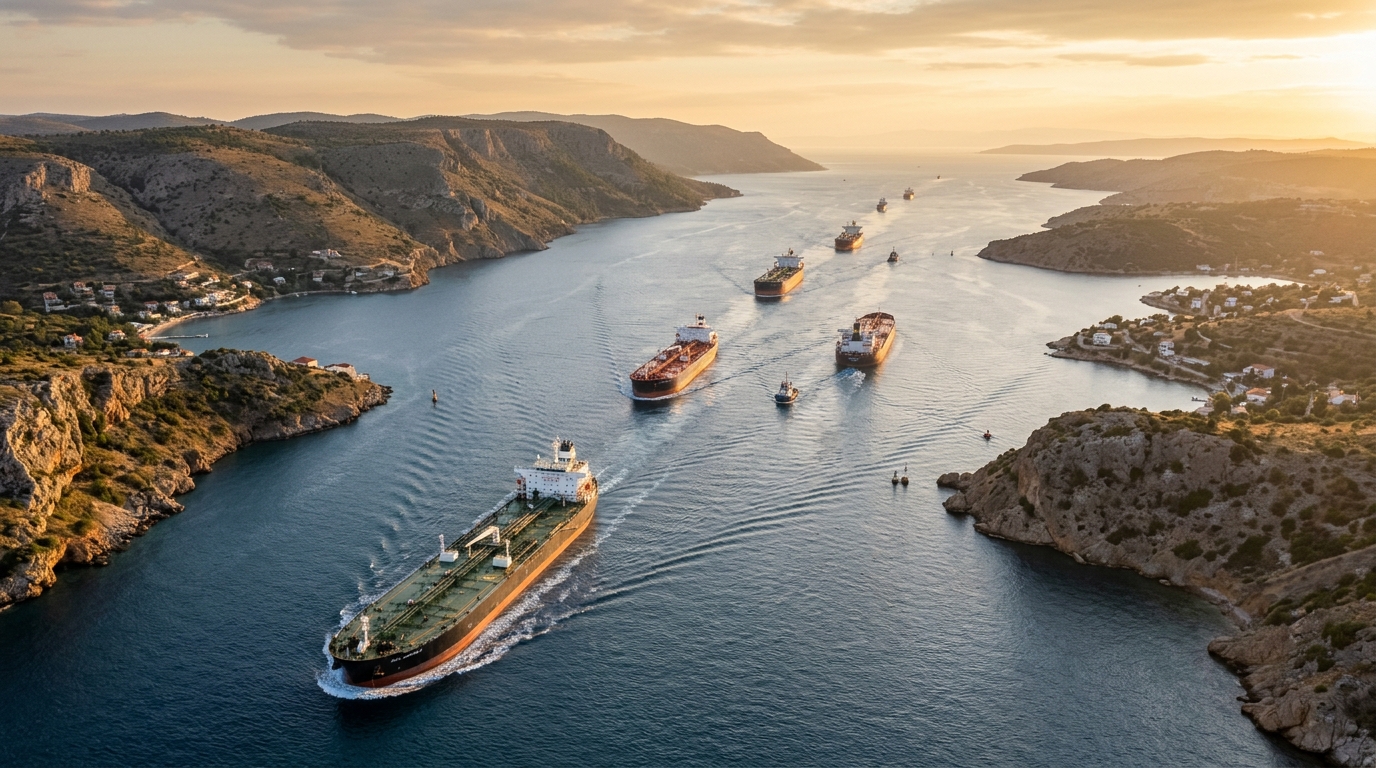
Normally, if the Strait of Hormuz, a vital waterway carrying about one-fifth of the world's crude oil shipments, were to be blocked, oil prices should surge. However, this time the opposite has happened – oil prices experienced their biggest drop in six years this quarter.The market's solution was unexpected: instead of directly confronting the supply gap, it sought a bypass. Reports indicate that global shipping networks rapidly adjusted their routes, with alternative routes bypassing the Strait of Hormuz being widely utilized. While costs increased, this substantially mitigated the impact of the Persian Gulf oil supply disruption.
More importantly, there are changes on the demand side. As the world's largest crude oil importer, China saw a significant decline in imports this quarter. This variable directly shifted the balance of supply and demand—even with disruptions to Persian Gulf supplies, the global crude oil market remains oversupplied.
Why has demand in China decreased?
The decline in China's imports is not accidental. Since the beginning of this year, China's economic recovery has slowed, manufacturing activity has been moderate, and the penetration rate of new energy vehicles has continued to rise, leading to a structural reduction in reliance on traditional fuels.The refinery maintenance season is also a significant factor. This quarter coincides with a concentrated maintenance period for several large domestic refineries, resulting in lower operating rates and directly reducing crude oil procurement demand. This cyclical decline in demand, against the backdrop of tight geopolitical supply, has ironically become a driving force behind the downward trend in oil prices.
Globally, the weak European economy and high US inventories, coupled with other negative factors, have resulted in the market's actual capacity to absorb crude oil prices falling far short of expectations. The supply crisis failed to escalate into a price crisis primarily because buyers were not strong enough.
How effective are detour routes?
Following the blockage in the Strait of Hormuz, the global shipping network demonstrated unexpected resilience. Tankers departing from the Persian Gulf were rerouted via longer routes, resulting in increased voyages and higher freight rates, but without causing any substantial supply disruptions.This is the result of years of diversification in the global energy supply chain. Outside the Middle East, supply sources such as US shale oil, Brazilian deep-sea oil fields, and North Sea oil fields have long formed a complementary relationship. Even if a single shipping route is blocked, global crude oil flows can still find alternative routes.
However, taking detours is not without costs. Longer transportation times mean increased capital tied up, and shipping insurance premiums also rise. These costs will eventually be partially passed on to downstream industries, but in a weak demand environment, refineries and traders have limited bargaining power, hindering cost transmission and making it difficult for oil prices to rise.
What does the biggest drop in six years mean?
This drop is more than just a number; it reflects profound changes in the global energy landscape. In the past, geopolitical conflicts were almost a "price insurance" for oil, but this time the market has voted with its feet: supply diversification, demand structure transformation, and mature emergency mechanisms are rendering traditional geopolitical premiums ineffective.This is a warning sign for oil-producing countries. OPEC+ has repeatedly succeeded in supporting the market through production cuts in the past, but as demand continues to weaken and alternative energy sources penetrate the market more rapidly, the effectiveness of simply controlling production capacity is diminishing.
For market participants, this round of decline also serves as a lesson in risk. The trading logic of betting on geopolitical conflicts to drive up oil prices may quickly fail when supply and demand fundamentals completely reverse. The pricing power in the energy market is quietly shifting from the supply side to the demand side, and from traditional oil-producing countries to emerging alternative energy sources.
Frequently Asked Questions
Why is the Strait of Hormuz so important?The Strait of Hormuz, located at the exit of the Persian Gulf, is the vital route for approximately one-fifth of the world's crude oil, connecting major oil-producing countries such as Saudi Arabia, Iraq, Kuwait, and the UAE with global markets. A blockade of the Strait would severely disrupt the export of Middle Eastern crude oil, and it has historically been a focal point of geopolitical conflicts on numerous occasions.
What impact does the sharp drop in oil prices have on ordinary people?
In the short term, refueling costs may decrease, and airfares and logistics costs will also benefit. However, this will put pressure on the economies of oil-producing countries and employment in the energy sector, and a prolonged slump could trigger volatility in related assets. In the long term, low oil prices may also slow down the transition to clean energy.
Will this decline continue?
The price of oil will depend on the pace of China's economic recovery, whether OPEC+ will further reduce production, and the evolution of the geopolitical situation. If the global economy continues to slow down and the substitution of new energy sources accelerates, the central level of oil prices may continue to be under pressure; conversely, if demand unexpectedly rebounds or supply tightens again, the downward trend may reverse.
This page is for informational purposes only and does not constitute any investment advice. Crude oil and related financial product prices fluctuate wildly; investors should carefully assess their own risk tolerance before investing.